Wednesday, 7 March 2018

Hilamalya:- Indian brand going Global : Innovation:- SABSE PEHLE

*******************************************************************************
Hilamalya:- Huge Expansion
*******************************************************************************
*******************************************************************************
Himalya:- hallmark is research and not revenue
*******************************************************************************
*******************************************************************************
History: -
*******************************************************************************
The Himalaya Company was founded in 1930 by M. Manal with a vision that they want to serve humanity by launching Ayurvedic products and to unravel the mystery behind the 5,000 year old system of medicine.
Although M. Manal had no formal scientific training, he possessed a love for nature, boundless curiosity and a firm belief in herbal healthcare.
81 years ago, on a visit to Burma, M. Manal got inspired and found that a villager pacifies the restless elephants by feeding it the root of the plant, Rauwolfia serpentina.
He was fascinated by the plant’s effect on the elephants; he made an extensive research on plant roots and scientifically was proved that roots had some characteristics to heel the animals.
After detailed research, the company launched Serpina, the world’s first anti-hypertensive drug in 1934.
Mission is to contemporarise Ayurveda through modern scientific research.
*******************************************************************************
Introduction: -
*******************************************************************************
Apart from the new wellness division, Himalaya has five separate divisions — nutrition, personal care, pharmaceutical, baby care and animal care.
Himalaya Company plot of land in Bangalore has transformed into Himalaya's 28-acre sprawling campus with an EU-GMP-certified manufacturing facility, an 80,000 square feet R&D and a lush green organic garden.
Himalaya has first herbal manufacturing units in India to be granted a good manufacturing practices (GMP) certificate.
The company has consumers in 67+ countries which rely upon Himalaya’s products.
Himalaya products have been endorsed by 300,000 doctors around the globe.
Company was awarded with an ISO 9001:2000 certification in 2003.
*******************************************************************************
Expansion of the Himalaya:-
*******************************************************************************
The company started its operations in Dehradun; later spread its wings to Mumbai.
In 1975, the company set up an advanced manufacturing facility in Makali, Bangalore, India.
*******************************************************************************
FOCUS of COMPANY-
*******************************************************************************
They are trying to open the secrets of nature.
These days Himalaya is using modern medical science techniques to rediscover and unravel of Ayurvedic secrets.
From the discovery of the company has focused on developing safe, natural and inventive remedies that will help people lead wealthier, healthier lives.
The complete re-branding exercise and reorientation in the marketing strategy worked out well for the company.
*******************************************************************************
Personal care:-
*******************************************************************************
The personal care industry in the country is estimated to be Rs 69,856 crore, with the herbal and ayurvedic segment being 31 per cent of it.
Personal care contributes 42 per cent to Himalays total sales, followed by pharmaceutical at 33 per cent, baby care at 15 per cent, animal health at 5 per cent and wellness at 5 per cent.
The men's grooming segment is estimated to be around Rs 5,800 crore
Personal care is a key business category for the company, with the segment contributing to 45 per cent of the Rs 2,200 crore turnover, followed by pharmaceuticals (30 per cent), baby care (17 per cent), and animal health and wellness with 4 per cent each.
The overall facewash market in the country is estimated to be about Rs 1,800 crore
Personal care has three main sub-categories—face, oral and hair--and over 35 product categories including skincare, foot care, eye care, healthcare, lip care and body care.
The company entered the men’s grooming segment recently; they launched a new microsite ‘HimalayaForHim’ to facilitate different kinds of conversations with the male consumers.
Himalaya is evaluating opportunities in hair gels and creams
personal care portfolio will expand with more shampoos, soaps, body lotions, premium creams, oral care and specific products for men’s care.
Himalaya Neem face wash is a product of great quality, has an exclusive tube design which makes it very appropriate to use and provides satisfying service to its customers.
Himalaya Neem face wash pitches itself as the teenagers’ product which satisfies to the teen’s pimples and acne problems.
The overall facewash market in the country is estimated to be about Rs 1,800 crore at present, with men's facewash accounting for 15-20 per cent of the space.
Focusing male grooming segment, herbal health and personal care firm Himalaya Drug Company is aiming to double its market share in the men's facewash category to 20 per cent in the next couple of years.
Purifying Neem Face wash is the number one brand in the face wash category
Himalaya has over 20 per cent share in facewash segment, making it the largest brand in the country.
Himalaya is a market leader in the overall facewash category with 24 per cent share.
Himalaya has 8-10 per cent market share in men's facewash.
The facewash category accounts for half the revenues in the personal care segment for the company.
From an industry perspective, the face wash segment is a Rs 1,200 crore category growing at 17.5%.
The products that are seeing maximum traction include Neem Facewash, anti hairfall shampoo and hair creams.
*******************************************************************************
Pharmaceutical
*******************************************************************************
The two major business verticals--pharmaceuticals and animal healthcare--together contributed about 50% to the business last year and are growing at 15%.
Liv.52, a hepato-protective is its flagship brand.
Even today, Liv.52 is the crown jewel in the pharmaceutical portfolio, registering over Rs 250 crore (Rs 2.50 billion) in revenues and being the only herbal medicine in India's top 10 selling drugs.
About 32 per cent of Himalaya’s ₹3,500-crore turnover comes from pharmaceutical products.
*******************************************************************************
Baby care
*******************************************************************************
Currently the baby care market is valued close to Rs 1800 crores. Every year 42,434 babies are born in India. The market is huge and as yet under penetrated.
Currently baby care market is valued close to Rs 1800 crores. Every year 42,434 babies are born in India. The market is huge and as yet under penetrated.
The diaper market is also growing. In India the growth was CAGR of 22.23 per cent over the past five years
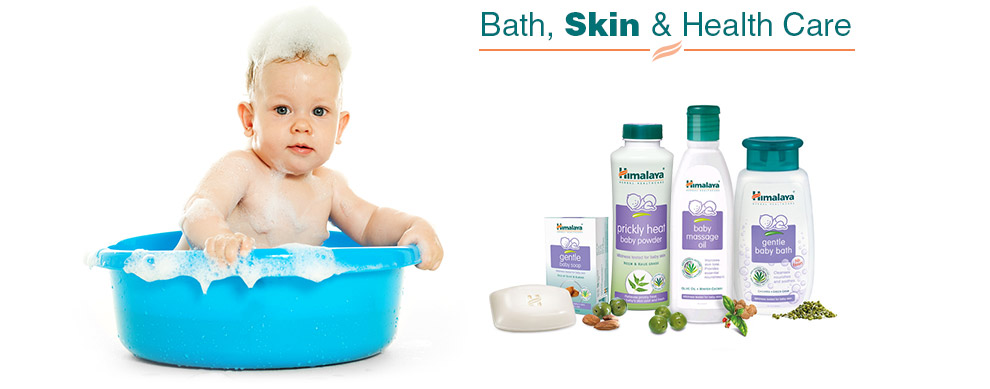
Himalaya BabyCare has also emerged as a leading player in the baby care segment.
The baby care division is growing at over 60 per cent annually.
baby care is expected to grow at a 13-14 percent CAGR till 2019.
The baby care division is growing at over 60 per cent annually.
The diaper market is also growinag. In India the growth was CAGR of 22.23 per cent over the past five years.
*******************************************************************************
Mothercare:-
*******************************************************************************
Initially, the company has launched four products targeting mothers and will promote it through its network of gynaecologists and neonatologists. mothercare segment to contribute 5-6 per cent in our turnover
*******************************************************************************
Animal care.:-
*******************************************************************************
The two major business verticals--pharmaceuticals and animal healthcare--together contributed about 50% to the business last year and are growing at 15%.
*******************************************************************************
Wellness
*******************************************************************************
Himalaya Drug Company has created a wellness division.
The wellness portfolio includes internal and topical wellness products from single herb formulations, or ‘pure herbs’, as well as therapeutic massage oils, balms and creams.
These wellness products to a large extent are herbal in nature and address chronic therapeutic areas like joint care, women’s health, vitality and immunity.
company will spend over ₹400 crore annually in marketing wellness products.
wellness is expected to grow at 60-70 per cent annually over five years.
*******************************************************************************
Marketing Plan:-
*******************************************************************************
Himalaya’s biggest marketing strategy was shift from focusing Ayurvedic ideas to herbal personal care.
Leading marketing approaches of Himalaya are high quality, wellness, and uncompromised service with a smile.
They are able to supply the products needed by the customers at all times by keeping high standards.
*******************************************************************************
Distribution:-
*******************************************************************************
Himalaya products are reasonable and are available in various small and medium size packets which are very convenient to carry.
*******************************************************************************
Promotions: -
*******************************************************************************
Famous Personality endorsements are a big attraction for the customers to relate with the brand at much higher levels.
Examples of Products:-
*******************************************************************************
Digital Marketing
*******************************************************************************
The website interface is very nicely done. Himalaya decided to go in the trend of an online store. This allowed customers who chosen online shopping to purchase what they need. This has been a very fruitful part in Himalaya’s over all business.
*******************************************************************************
Diversification: -
*******************************************************************************
Verticals: - wellness, baby care, pharma, personal care, animal healthcare
*******************************************************************************
Social Media Marketing:-
*******************************************************************************
Himalaya has widespread presence over social media. Its Facebook fan page with 2 million like & 8K followers on Twitter and a strong community boasts about its active engagement.
The company has also moved beyond social platforms to look at other digital platforms such as YouTube with 8K subscribers and microsites.
*******************************************************************************
Product:-
*******************************************************************************
Cocoa butter body lotion
Himalaya Natural Glow Fairness Cream
*******************************************************************************
Theme in Advt:-
*******************************************************************************
‘Challenge Accepted’ theme.
‘My Lakshya campaign’ to enable people live their dreams, redefines the value of living your dream.
*******************************************************************************
Growth:
*******************************************************************************
Today Himalaya is present in 91 countries and by 2020, global revenues will account for 50 per cent of our business.
In the last decade co. grown over 30 per cent across segments. As per ORG data, Himalaya stands number 1 among herbal pharmaceutical companies in India.
*******************************************************************************
Market Share:-
*******************************************************************************
The company has over 250 stock keeping units in categories including skincare, oral care, foot care, eye care, lip care and body care.
Himalaya has over 200 standalone retail stores and plans to take it to 300-400 outlets in the next three years
"The next growth will come from tier II cities whereCompany is expanding stores.
Today, out of the 200 stores, at least 50 per cent would be in tier II cities
E-commerce contributes around 1 per cent of the sales but the company is looking at growing it to 5 per cent in the next 2-3 years.
Himalaya plan co. to turn into a $1-billion company by 2020.
The new unit will develop and market non-prescription drugs targeting areas such as immunity, joint care, women’s health and vitality.
*******************************************************************************
Growth: -
*******************************************************************************
Today Himalaya is a head to heel herbal wellness brand with over 250 products and a global presence.
After the US Himalaya entered into Russia, then West Asia, followed by APAC and Europe.
The company, which reported a turnover of Rs 2,100 crore sales in the current fiscal
Himalaya has a market share of around 19%, ahead of brands such as Garnier, Clean & Clear and Pond’s.
“Till 2020, we expect to grow at a CAGR of at least 25 per cent.
Himalaya plans scaling up e-comm biz, targets Rs 100 cr by 2018
aims to increase sales force to about 7,000 from 2,000 during this fiscal.
Himalaya has a network of 179 exclusive retail stores across the country and we aim to make take that number up to 200 by the end of 2020.
The company competes in the personal care and healthcare space with rivals such as Hindustan Unilever, Procter and Gamble, Dabur
*******************************************************************************
Sales:
*******************************************************************************
Every second, ten Himalaya products are bought by consumers around the world.
Himalaya clocked sales of more than Rs 1,200 crore in FY14
About 42 per cent of Himalaya’s ₹3,500-crore turnover comes from personal care, and 32 per cent from pharmaceutical products.
*******************************************************************************
Digital Online Stores: Digital Wing:-
*******************************************************************************
company launched sales through its online portal himalayahealthcare.com in 2008, which it subsequently rebranded to himalayastore.com.
started selling our products on the e-commerce portals including Amazon, Snapdeal and Flipkart last year and sales through this channel saw a 123 percent jump.
online sales is only 1 percent of the company's revenues.
It is now planning to launch a mobile platform and also integrating its offline and online retail across the country by the end of the year Online traffic is over 65 percent from mobile devices
Company will integrate online business with all 170 offline retail outlets by year end.
through the omni-channel integration, the company will be able to service orders from the nearest stores to the customers
*******************************************************************************

Friday, 2 March 2018

Electric Scooter Industry in India:-

*******************************************************************************
Electric Scooter Industry in India:-
*******************************************************************************
Two Wheelers sales Figures: -
*******************************************************************************
The potential of electric vehicles in this segment is massive, say industry executives, given that more than 17 million two-wheelers are sold annually in the country.
*******************************************************************************
Electric Two Wheelers Sales figures in India: -
*******************************************************************************
Electric two-wheeler sales is expected to double in FY18.
Some 4,50,000 electric two-wheelers were sold in India in the past eight years.
Over the past 10 years, just 4.4 lakh electric two-wheelers have been sold in India, a far cry from petrol two-wheeler sales numbers — over 18 lakh a month.
Japan’s Okinawa from entering It has sold 2,000 vehicles in just eight months of its launch.
About 23,000 units of electric two-wheelers, primarily scooters, were sold in a market of 17.58 million units in FY17.
Hero Electric plan to sell about 25,000 units in FY18.
*******************************************************************************
Electric Vehicle Technology not fully Developed:-
*******************************************************************************
In the passenger vehicle segment, while Mahindra & Mahindra makes and sells electric cars, technology to commercially develop full-size electric vehicles is still at an early stage even globally.
It will take some time for electric cars to be sold en masse.
Until 2015, India only had e2Ws which ran on lead batteries.
lead batteries could be charged only in a garage or a charging station, making it impossible for flat owners to use them.
Since FY15, lithium battery-based e2Ws are being sold, where batteries are portable and can be charged in any mobile phone socket.
*******************************************************************************
Advantage of Electric Vehicls: -
*******************************************************************************
With cost of li-ion batteries coming down, performance of products has improved and more and more manufacturers have started work in the segment, which will give more choices to the consumer
If the vehicle is used for 1,500 days over the five-year battery life and each day a litre of petrol is used, then it will result in saving petrol worth ₹1 lakh.
The government’s green subsidy on electric vehicles- electric cars and scooters.
*******************************************************************************
Research and Development in Electric vehicle Industry: -
*******************************************************************************
Hero MotoCorp, the world’s largest motorcycle maker by sales volume, is working on developing electric two-wheelers in-house at its Centre for Innovation & Technology in Jaipur.
*******************************************************************************
Investment: -
*******************************************************************************
Globally, Honda has been making investment for over two decades in electrification of its two-wheeler models
Hero MotoCorp’s strategic investment in electric two-wheeler startup Ather Energy
Hero MotoCorp had invested Rs 205 crore in Ather Energy in October 2016.
Ather Energy has raised $13M in 2 Rounds of funding from 3 Investors including Flipkart founders and Tiger Global Management.
*******************************************************************************
Upcoming Models: -
*******************************************************************************
Chennai-based TVS Motor is also developing an electric scooter (codename U218).
Bajaj Auto has reportedly announced plans to launch a new brand, Urbanite, for electric vehicles that will be launched by 2020.
Bajaj also claims to be developing a premium motorcycle, an equivalent of the Tesla in cars.
Tork Motorcycles is planning to bring in an electric two-wheeler (codename P6X) early next year.
Ather Energy on its own is scheduled to launch India's first indigenously designed and developed electric scooter (S340) next year.
*******************************************************************************
Challenges faced by the Industry: -
*******************************************************************************
challenges on charging stations still remain.
lack of public facilities to charge vehicle batteries is a major worry.
lack of awareness about electric 2Ws.
price points are high compared to petrol two-wheelers. Despite this savings, the sales numbers for e2Ws are not looking up.
Today, these vehicles cost around ₹84,000, against petrol vehicles such as Honda Activa, which are available for ₹52,000 upwards.
With the lifestyle segment emerging in India, the aspirations of the youth are for bigger cc and more performance-oriented bikes.
Absence of financing of e-vehicles are major deterrents.
private investors say the volumes are too small to warrant investments.
*******************************************************************************
Players: -
*******************************************************************************
Honda and Yamaha, which already sell electric two-wheelers in markets overseas.
*******************************************************************************
Disadvantages: -
*******************************************************************************
There is a price difference of around Rs 30,000 between an electric scooter and one that runs on a conventional fuel.
*******************************************************************************
Advantages:-
*******************************************************************************
Operating cost on electric two-wheelers is almost negligible, he added.
A new customer base is evolving and they are willing to shell out more.
prices are likely to keep coming down for lithium batteries.
Okinawa is working on an e-scooter that would run 200 km on a single charge.
*******************************************************************************
Solutions: -

*******************************************************************************
need proactive public policy to boost solar-power charging points for electric scooters in urban areas. need to incentivise roof-top solar power for the purpose. To generate 1kwh of solar power, about 10 square meters of roof-top space is required. *******************************************************************************
Short form: -
*******************************************************************************
electric two-wheelers (e2Ws)
*******************************************************************************
Market Share: -
*******************************************************************************
Hero Electric, which was about 70 per cent share.
*******************************************************************************
Features of this Industry: -
*******************************************************************************
Okinawa Autotech, which plans to invest $40 million over the next three years, It is building a one-million-units-per-annum plant in Rajasthan. The company targets sales of 12,000 units in FY18 and has set an ambitious target of 100,000 units by FY19.
The Ather S340 has a top speed of 72 km per hour, a range of 60 km, and comes equipped with fast charging.
TVS is all set to launch a hybrid scooter in December followed by an e-scooter in March and reports suggest that Bajaj, too, is working on an electric motorcycle. Honda Motorcycle and Scooter India is working on an e-scooter model that would also be launched in the Indian market.
Hero MotoCorp, Honda Motorcycle & Scooter India, TVS Motor, Mahindra Two Wheelers, Yamaha and Bajaj Auto all have scheduled launches of electric two-wheelers from 2018.
*******************************************************************************
Government Schemes Related to the Electric Vehicles :-
*******************************************************************************
The National Electric Mobility Mission Plan (NEMMP 2020) NEMMP was announced by Indian government to incentivize use and production of electric vehicles (EVs) in India.
The plan is launched with a mission to mitigate adverse environmental impacts of vehicles and to enhance energy security.
EVs could have positive implications for national energy security and local air quality.
As per the Press Information Bureau, Government of India, Government aims to provide fiscal and monetary incentives to kick-start this nascent technology. With the support from the Government, the cumulative sale is expected to reach 15-16 Million by 2020. India aims to have seven million electric vehicles on the road by 2020.
*******************************************************************************
FAME India Scheme:-
*******************************************************************************
FAME India – Faster Adoption and Manufacturing of Hybrid and Electric vehicles in India
– is a part of the National Electric Mobility Mission Plan 2020 of the Indian government in the Union Budget for 2015-16 with an initial outlay of Rs. 75 Cr.
Under this scheme, government announced that it will offer incentives on electric and hybrid vehicles of up to Rs 29,000 for bikes and Rs 1.38 lakh for cars.
As per the scheme, depending on technology, battery operated scooters and motorcycles will be eligible to demand incentives ranging between Rs 1,800 to Rs 29,000.
*******************************************************************************
FEW Examples:-
*******************************************************************************
Hero Electric Wave
Range: 100 km, Price: Rs. 54,454
Okinawa Ridge
Range: 80 km, Price: 48,443
Hero Electric E-Sprint
Range: 80 km, Price: Rs. 39,190
Hero Electric Photon
Range: 80 km, Price: 42,990
Indus Yo EXL
Range: 75 km, Price: Rs. 50,171
Hero Electric Optima Plus
Range: 70 km, Price: 49,188
Indus Yo Electron ER
Range: 70 km, Price: Rs.37,653
Hero Electric Cruz
Range: 70 km, Price: 37,390
Hero Electric Maxi
Range: 70 km, Price: 41,873
Hero Electric NYX
Range: 70 km, Price: 41,946
*******************************************************************************

Thursday, 1 March 2018

FLOW- Electric Scooter:- from 22 motors :- Future is Elctric

*******************************************************************************
FLOW e-scooter from 22 motors:- future is Elctric
*******************************************************************************
INTRODUCTION:-
Flow is India’s first artificial intelligence based Electric scooter
Flow is India's first Smart E-Scooter
Twenty Two Motors- The homegrown two-wheeler electric scooter manufacturer.
22 Motors, a new startup in India has launched their first product in the market known as Flow.
*******************************************************************************
*******************************************************************************
Why to buy FLOW an electric scooter:-
*******************************************************************************
Electric Mobility is the future of the world
The Government of India has the vision of making the country electrically mobile.
The given engine specifications of the 22Motors Flow electric scooter makes it one of the most powerful scooters in India.
It makes more sense picking up a scooter like this for daily commuting than a 110 cc or 125 cc petrol-based one.
Flow comes with a 2,100 watt electric motor (about 3 bhp in mechanical terms), which puts out 90 nm of torque at just 100 rpm. Compare that with a petrol scooter like the Honda Activa that makes only about 9 Nm of torque at 5,500 rpm and you’ll see why electric is exciting.
Acceleration from an electric scooter is much quicker than petrol ones.
It is designed to fulfill the needs of the modern yet young travelers.
While the company was established in 2016, the Research and Development has been carried out for an extensive period of time.

*******************************************************************************
Launch of Product:-
*******************************************************************************
Gurgaon-based start up 22 Motors, that was incorporated in 2016, has unveiled its first product — an electric scooter called Flow that will be launched in February 2018 at the Auto Expo in New Delhi.
*******************************************************************************
Key People:-
*******************************************************************************
Parveen Kharb - CEO and Co-Founder, Twenty-Two Motors
*******************************************************************************
History:-
*******************************************************************************
A prototype of the 22 Motors Flow electric scooter was first unveiled by the Gurgaon-based manufacturer in November 2017.
At the time, CEO and co-founder of 22 Motors Parveen Khar had announced that the Flow will be launched at the Auto Expo in February 2018.
*******************************************************************************
Market:-
*******************************************************************************
Indian market & several international markets.
*******************************************************************************
Features:-
*******************************************************************************
The 22Motors Flow scooter also boasts the presence of high-end smartphone compatibility and the all-digital instrument cluster for displaying vital information.
The Flow electric scooter has various smart Internet of Things (IoT) features.
The electric scooter Flow gets advanced artificial intelligence based software.
Flow features many advanced features
like cloud-server connectivity,
AI learning based on the riding habits,
inbuilt GPS that acts as security devic]e too.
The electric scooter also has a crawl mode to allow riding the scooter to a repair stop at 3-5kmph in case the scooter tyres are punctured. It has an appealing design with its retro-modern aesthetic.
It also features a ‘reverse mode’, which allows you to move it backwards, slowly of course.
It also has a quick charge feature, with a special charger that can charge it to full charge in less than an hour.
Those who want to ride a longer distance, they can lease an additional battery (and store it under the seat), virtually doubling the range of the scooter.
It comes with a mobile app and 4G connectivity, allowing the user to control the scooter remotely as well.
One can geo-fence it, or limit the speed using the app, allowing an owner to control how it behaves with other riders.
*******************************************************************************
Specification: -
*******************************************************************************
The 22Motors Flow electric scooter is powered by the highly powerful DC motor supported by the presence of Lithium-ion batteries. The scooter is powered by a 90 Nm electric motor.
It gets 50,000 km warranty on battery and also gets wireless charging.
The Flow is powered by a lithium-ion battery, which can be charged within five hours.
It gets a range of about 80 km
and it is also available with an option of dual battery set-up that doubles its range.
The electric scooter gets a telescopic suspension at the front, monoshock at the rear,
a mobile charger
and a storage space that can hold up to two helmets under the seat.
The electric scooter also gets features like twin disc brakes, electronic braking system, LED headlamp and tail lamp.
Advanced features like cruise control, drag mode (to make the scooter go slow when the tyre is punctured), reverse gear.
The scooter’s GPS device can be used to locate it or make a geo-fencing border that will turn off the engine as soon as the scooter crosses a certain point.
The 22 Motors Flow will come powered by a 2,100W electric motor which produces 90Nm of peak torque.
The lithium-ion power pack gives an 80km range on a full charge that takes 60 minutes.
The lithium-ion battery of the scooter is capable of getting fully charged within 20 minutes.
In terms of the braking system, the all-new 22Motors Flow receives hydraulic disc brakes towards the front along with telescopic front forks and high-tensile alloy wheels for ensuring a well-balanced ride to the riders.
With an overall kerb weight of around 85 kg, the Flow electric scooter by Twenty Two Motors is a highly lightweight scooter offering great riding performance.
It can hit a top speed of 60 Kmph.
It features complete LED lighting — indicators, headlamps, tail-lamps included.
The instrument panel is a LCD screen that displays multiple information, besides speed and remaining charge percentage.
*******************************************************************************
MOBILITY:-
*******************************************************************************
The battery has a 50,000km warranty and can be quick-charged for a range of 20km within 10 minutes.
*******************************************************************************
Price: -
*******************************************************************************
It is priced at Rs. 74,740, ex-showroom.
The 22 Motors Flow is expected to be in a price range of Rs 65,000 to Rs 70,000.
*******************************************************************************
Delivery:- Distribution:-
*******************************************************************************
Bookings will start in February and it can be ordered online.
The bookings for the scooter has started already and the deliveries will start in the second quarter of 2018.
The sale for the given 22Motors Flow has commenced recently.
*******************************************************************************
Competitors:-
*******************************************************************************
The electric scooter will be competing against the likeness of other scooters like the Aprilia SR 150 and the Piaggio Vespa h020150 scooter series.
*******************************************************************************
The Battery:-
*******************************************************************************
Removable lithium-ion battery pack that weighs only about 10 Kg.
It can be charged by any household 5 amp socket, full charged in 5 hours — range of 80 km on a single charge.

Wednesday, 28 February 2018

APRILLA:- India’s first locally made Sport-Scooterbike

******************************************************************************* APRILLA:- India’s first locally made Sport-Scooterbike ******************************************************************************* Introduction:- *******************************************************************************
The scooter segment in India is one of the largest in the world, with nearly 50 LACS units sold in 2015, and a growth of 20% in the first half of 2016 over that in the same period last year. PVPL, a 100% subsidiary of Piaggio Group, manufactures of scooters and motorcycles as well as three and four wheeled commercial vehicles with a portfolio of brands that includes Piaggio, Vespa, Aprilia, Moto Guzzi and Apé. PVPL commenced its India operations in 1999, with the launch of the three-wheeler brand Apé The market for premium automatic scooters in India is steadily growing. First with the Vespa 125 cc range, followed by the Vespa 150 and now the Aprilia SR 150. The Vespa 150s and Aprilia SR 150 are the only four-stroke 150 cc scooters available across India. Aprilia is a well known name in two wheeler industry and world race community, the company has fascinating history of its growth. It was founded by Cavaliere Alberto Beggio in 1945 at Noale, Italy in the province of Venice; initially it produced bicycles later in 1968, it started developing mopeds and motorcycles. Aprilia is an Italian motorcycle company, one of the marques owned (overtaken merger and Acquisition) by Piaggio. In the year 2004, Aprilia was took over by Piaggio & C. SpA that is world's fourth largest motorcycle group with 1.5 billion Euro in sales The first products of Aprilia were the Colibrì and Daniela mopeds. Having started as a manufacturer of bicycles it moved on to manufacture scooters and small-capacity motorcycles. In more recent times Aprilia has produced large sportbikes such as the 1,000 cc V-twin RSV Mille and the V4 RSV4. This vehicle is an excellent expression of the Noale manufacturer’s sport expertise and offers technology and style superior to those of its direct competitors in the segment,” Aprilia products range includes road, off-road, adventure, and scooters. The popular models are RSV4 Factory, RSV4, Tuono 1000R Factory, Shiver 750, Dorsoduro, Aprilia RX/SX 50, ETV 1000 Caponord, Pegaso 650, RXV 4.5 - 5.5, Atlantic 250/125, Leonardo 125/150/250, Aprilia mojito/habana 50 custom & retro, SR 50 R, Sportcity 250 200 125, Scarabeo 50/100, etc. The company is going to introduce a couple of two wheelers in India shortly. Piaggio India will launch two new scooters under the Aprilia brand in India this year. The first scooter will be the facelifted Aprilia SR150, which will get a few changes. The facelifted SR150 was showcased at the 2018 Indian Auto Expo. Key changes on the facelifted model include a new instrument cluster that has a digital-analog layout, digital-analog instrument cluster and new color/graphics options. The Race edition gets a Italian tri-color color theme inspired by Aprilia’s factory racing livery. Apart from these changes, the scooter will also get a new special edition model called the SR150 Carbon SE. The special edition variant features a lot of carbon-fiber inspired bits such as a carbon fibre textured wrap on the front apron, engine cover and handlebar cowls. The scooter also sports ‘Carbon’ branding on the alloy wheels and engine cover. However, the engine on the facelifted SR150 will be the same 154.8 cc, four stroke unit with 11.4 Bhp of peak power and 11.5 Nm of peak torque. A CVT automatic gearbox, in regular and race trims will be standard.
******************************************************************************* Achievements:- ******************************************************************************* The first motocross bike was introduced in 1970 christened Scarabeo that was having 50cc and 125cc versions. On 15 August 2010, Aprilia became the most successful motorcycle racing brand in history, surpassing fellow Italian MvAgusta with a record 276th victory. In more recent times Aprilia has produced large sportbikes such as the 1,000 cc V-twin RSV Mille and the V4 RSV4.
******************************************************************************* PRICING:- ******************************************************************************* Aprilia SR 150 Race Launched In India At Rs. 70,288. Piaggio Group has launched the Aprilia SR150 Race in the country priced at Rs. 70,282 (ex-showroom, Mumbai). The SR150 Race comes in less than six months after the regular SR150 scooter was. The lowest priced model is the Aprilia SR125 at Rs. . The highest priced model is the Aprilia RSV4 RF at Rs. 26,83,560.
******************************************************************************* Marketing MIX:- ******************************************************************************* Aprilia currently offers 13 bikes for sale in India, which comprises 8 Street bike s, 2 Scooters and 2 Sports bikes. If recent reports are to go by, Aprilia is also expected to introduce the Aprilia SR 125 to the Indian market. The design aesthetics of the SR 150 reflect the sporty character of the Aprilia brand with a light weight engine which creates a new category in India’s the scooter segment.” The Aprilia SR 150 will be characterized by 14" wheels with five spokes that are similar to the Aprilia racing bikes which are seen on the Moto GP championship circuits. It will have a single cylinder 150cc, 4-stroke engine. With it, Piaggio will reach out to the urban youth who are not only dynamic but also embrace international culture and are upwardly mobile.
******************************************************************************* Company in INDIA: ******************************************************************************* The Vespa scooter was introduced in India in April 2012. The Company has a state-of-the-art plant in Baramati, Maharashtra, India where it manufactures the iconic Vespa alongside its wide range of 3 and 4 wheeled commercial vehicles.
******************************************************************************* Resemblance: ******************************************************************************* The Aprilia SR 150 is the country’s first sports scooter and borrows the powerplant from the Vespa 150 cc models.
******************************************************************************* SALES:- ******************************************************************************* The bookings for the Aprilia SR 150 will commence shortly and will be available through Piaggio Group’s distributor network across the country. Owned by the Piaggio Group, volumes for the Vespa and Aprilia badged scooters have grown by 90.97 percent in the first quarter of the financial year 2017-18 on year on year basis. 150 cc models by Piaggio accounted for nearly 60 percent of the sales. The 150 cc scooters sales in Q1 2017-18 amounted to 2,782 units. Between April and June 2017, Aprilia and Vespa sold 13,572 units, up from 7,107 scooters the same time last year. The 125 cc Vespas accounted for 5,279 units while the 150 cc Vespa models and Aprilia SR 150 amounted to 8,293 units. In the month of June 2017, the company sold 2,782 automatic scooters up from 705 units in June 2016. The 125 cc models in July 2017 amounted to 1,733 units up from 1,622 scooters. Piaggio at present has a less than 1 percent market share. With more than 60 percent of the volumes coming from the 150 cc segment, the company can hope the numbers to rise further.
******************************************************************************* Merger and Acquisition:- *******************************************************************************
In the year 2004, Aprilia was took over by Piaggio & C. SpA that is world's fourth largest motorcycle group with 1.5 billion Euro in sales; the group has its network in around 50 nations. After the acquisition, Roberto Colaninno is the president of Aprilia and the MD is Rocco Sabelli while the founder-Ivano Beggio, is the Honorary President.
******************************************************************************* Storm 125:- ******************************************************************************* The final scooter by Aprilia for India this year will be the Storm 125. The scooter features the same 125cc, four stroke engine and CVT automatic transmission combination available on the SR125, but comes in brighter colours – matte red and matte yellow. Other key changes include 12 inch wheels replacing the 14 inch wheels, but with off road biased tubeless tyres: 120/80 section at the front and 130/80 section at the rear. The engine on the Storm 125 makes 9.5 Bhp and 9.9 Nm, and is carbureted. From April 2019, the Aprilia SR125 range including the Storm 125 will get a combi-braking system. The SR150 is expected to get a single channel ABS option. Combi-braking system, already available on Honda’s Activa-based automatic scooters, activates both the front and rear brakes even when a single brake lever (front or rear) is pressed. ABS, or anti-lock braking system on the other hand, is more advanced. It uses sensors and a ECU to sense wheel speed and make sure that the wheels don’t lock up even under hard, emergency braking. It prevents the vehicle from skidding, and offers better control even during emergency braking maneuvers. *******************************************************************************

Thursday, 12 October 2017

Three Principles of the Sharing Economy

Three Principles of the Sharing Economy:
Concept developed at Bla.Bla.Car Company
1. Use unused capacity
2. Ownership-less world
3. Growing Trust
Contributing to society and Economy
At Bla.Bla.Car, we believe in three noteworthy principles that drive the sharing economy:

UNUSED VALUE IS WASTED:
After struggling to find a ride, Frederic Mazella developed an idea to create a carpooling service. All the seats on the trains going in his direction were full, but not the ones in the cars (aka unused assets).
The experience motivated him to reorganize wasted capacity in the form of carpooling.

ACCESS TRUMPS OWNERSHIP: LESS CONCERN ABOUT THE OWNERSHIP: OPEN TO SHARE
Today’s generation of consumers are less interested in traditional ownership, favoring renting or borrowing assets that suit their flexible lifestyle. Access also means that we can easily overcome deterrents (like not having a driver’s license or being able to afford expensive train tickets), making us more mobile than ever before.

TRUST: GROWING TRUST AND UNDERSTANDING WITH THE STRANGERS:-
Globalization paved the way to an interconnected world for enterprises and nations. With time, the interconnectivity weaved online social communities with virtual reputations that allow us to more easily collaborate with strangers.

CONTRIBUTE TO SOCIETY AND ECONOMY DIRECTLY:-
You used to share things with your family and your friends. And now, you share things with strangers. In this world, everyone is sharing. We are now empowered to share goods, knowledge, money, skills, network, content, etc., through various platforms. We’ve regained our ability to contribute more directly to society and the economy, but on a global scale. All of these developments give form to the sharing economy that we are living in today.

Wednesday, 11 October 2017

BLA..BLA..CAR :- Transportation Revolution:- Disrupting the transport industry:- Turned ride-sharing into a multi-billion-Rupees business

BLABLACAR :- Transportation Revolution:- Disrupting the transport industry:- Turned ride-sharing into a multi-billion-Rupees business
******************************************************************************* BLABLACAR is the French online ride-sharing company that pairs people travelling between cities with drivers who have empty seats in their car.
*******************************************************************************
FOUNDED 2006; 11 years ago
FOUNDERS Frédéric Mazzella
KEY PEOPLE :- Frédéric Mazzella, Francis Nappez, Nicolas Brusson
Headquarters Paris, France
******************************************************************************* BLABLACAR is a smart and popular European app that is now making city-to-city travel in India affordable and comfortable, even last minute.
BlaBlaCar allows you to share city-to-city car journeys with great people
Car owners avoid heavy driving costs by sharing them with co-travellers
Co-travellers make an agreed contribution to driving costs and enjoy last-minute travel in the comfort of a car.
The BlaBlaCar community is safe and secure, and you choose your co-travellers so you know they will be people just like you. There are a number of trust features like mandatory Facebook Connect, and every member profile is authenticated by BlaBlaCar to ensure full names are displayed and only real profile photos are used. A dedicated member support team also monitors activity 24/7 ensuring that the spirit of respectful community membership is always present on the platform.
******************************************************************************* COMPANY DETAILS:-
******************************************************************************* 40 million members
22 countries
12 million travellers per quarter
An estimated INR 2000 crore saved by our car owners every year
An estimated 1,000,000 tons of CO2 saved
Average car occupancy 2.8 people (vs 1.6 average)
Over 30 million app downloads (iPhone and Android)
4 Million Facebook fans (all Facebook pages together)
BlaBlaCar has more than 600 employees and more than 35 million members across 22 countries.
Opening an office in 2009 and hiring its first employee.
*******************************************************************************
STATISTICS
******************************************************************************* Carpooling, as a concept, comes under the large umbrella of the shared economy, which a recent PwC report estimated at $15 billion globally. This figure is projected to hit $335 billion by 2025.
Collective distance exceeds five billion kilometres.
Service generates total savings of £216 million for drivers every year.
The Indian numbers are astounding: 3 million seats shared across 700 cities, 145 million trip kilometres so far, 5,500 tonnes of CO2 savings.
Company has monetised in only seven of the 22 markets it is present in. (Not Monetised in INDIA , may be by next year it will start)
India:- While over 5 lakh tickets get booked on Indian Railways daily, an estimated 10 lakh people don't get tickets.
India is the 14th country and the only Asian nation to become a member of the International BlaBlaCar community.
In France, the company charges a commission of 11% of the journey price
In January 2015, has already seen one million seats being offered through its platform in the INDIA. expecs to see 5-10 fold growth in the next few years.
*******************************************************************************
FACTS :-
******************************************************************************* BlaBlaCar a long-distance ride-sharing community.
Conceived in December 2003 by Frédéric Mazzella and founded in 2006.
world’s largest long-distance carpooling community.
Global brand relentlessly spreading the word about the virtues of carpooling.
In Europe, BlaBlaCar is cheaper than trains.
80% of city-to-city travel in Europe is done by car.
IT HAS GROWN TO THE POINT AT WHICH THE PRESIDENT OF SNCF, THE FRENCH NATIONAL RAILWAY, IDENTIFIED IT AS A COMPETITOR LAST YEAR.
The turning point came in 2007 when a series of strikes crippled the French transport system. A well-timed press release to say BlaBlaCar was still open for business attracted huge media attention.
BlaBlaCar carries out checks on the mobile phone numbers, emails and bank accounts of its users and encourages members of the community to rate each other, in turn building trust for frequent members.
At the end of 2012, BlaBlaCar had initially published the “Trustman Study” which was based on surveys and analysis of the behavior of its users.
The users declare their information in a basic way. They give their name, add a photo, and depending on the service, they sometimes add a short bio and preferences (whether or not they are smokers, talkative, if they accept dogs/PET, what music they listen to, etc.)
In India, BlaBlaCar has a slight advantage over the Shatabdi Express; travelling by the train from Bengaluru to Chennai costs Rs 700-800, whereas BlaBlaCar costs Rs 650-700.
BlaBlaCar has tied up with IRCTC, so that those who are waitlisted for a ticket have the option of using BlaBlaCar. It instils confidence in the user as a government body is promoting it.
In 2014 and 2015, BlaBlaCar grew massively. All the news coming out of the company were about new international markets and additional funding rounds. In just a couple of years, the startup acquired smaller competitors and launched a dozen new markets. And it raised around $300 million.
Great Advatage is Last Minute Avilability unlike trains you are in the waiting list for longer period.
India is the first country where BlaBlaCar mandated government IDs from users.
India could become a bigger market than Europe since car-ownership is rising quickly and the country does not have a well-developed public transport system connecting cities.
On the marketing side, the company will be spending a significant amount in tying up with online travel agents to boost its business. It currently partners with IRCTC and Ixigo.
The company charges a fee from co-travellers in few countries like France, the UK, Spain, Italy and Benelux.
Driver/Host person do not have to change their insurance or pay tax on the money they receive from passengers as they are technically not making a profit.
each user's profile includes a "BlaBla" measurement, which indicates how much they are willing to chat during a trip.
For the first time, people were saying things about the service such as "useful, interesting, low-cost, efficient".
"It’s a win-win on the passenger and driver side.
Cancellation rates tumbled from 35 per cent to three per cent. Now that it had become more reliable.
*******************************************************************************
ACQUISITION :-
******************************************************************************* On April 15 BlaBlaCar announced it was acquiring its biggest competitor Carpooling.com, and the Hungary-based AutoHope, to become Europe's largest ridesharing service.
*******************************************************************************
BASIS OF EXISTENCE :-
******************************************************************************* Currently, buses and trains are the primary means of city-to-city transport, and both are inefficient.
*******************************************************************************
COMPETITORS :-
******************************************************************************* In India, similar services exist in the form of RidingO, SmartMumbaikar and ZingHopper.
Ola and TaxiForSure are also expanding their operations to rides between cities.
*******************************************************************************
HOW IT WORKS :-
******************************************************************************* The startup's economic model is designed for long distances and geared toward motorists looking to fill empty seats during journeys they would have been making anyway. Members must register and create a personal online profile, which includes ratings and reviews by other members, social network verification, and rate of response. "Profiles of members show how much experience they have of the service, meaning those with more – known as "ambassadors" – attract more ride shares and, importantly, each user's profile includes a "BlaBla" measurement, which indicates how much they are willing to chat during a trip".
*******************************************************************************
INITIAL HESITATION :-
******************************************************************************* "A lot of people said, ‘It’s hitch-hiking. Hitch-hiking is a very small market. founder look at it as a transportation network for distances north of 100 kilometres. When founderlooked at the French market, he looked at how many trips do you have of more than 150 kilometres in France. And that number is 700 million. And a small part of a very big number can actually be a big number. So that was the bet he took."
When it was set up in 2006, founders Nicolas Brusson and Frederic Mazzella found it difficult to persuade customers or investors of the idea.
"People thought we were crazy. At the beginning they would say, 'it's interesting but you're doing hitchhiking online and no-one's going to do that.
*******************************************************************************
CUSTOMERS:-
******************************************************************************* Most users of this model are young business professionals, small retailers, tech savvy college students, and corporate professionals in the 35-58 age group.
*******************************************************************************
MARKET SHARE :-
******************************************************************************* City-to-city ride sharing is a huge market, and it does not need any investment as no cars need to be purchased. Ibibo Ryde, Pikup, Pool Circle and Carpool Adda follow this model.
*******************************************************************************
LADIES ONLY :-
******************************************************************************* Women on BlaBlaCar can now travel with female members only! company has created Ladies Only, to allow members to plan a rideshare where the car owner and all co-travellers are women. It’s a great way for women to feel even safer, and we’ve found that it’s especially appreciated the first time our female members rideshare with the BlaBlaCar community.
*******************************************************************************
IN INDIA: -
******************************************************************************* India fits the bill perfectly, as it is the world's seventh-largest country by area and the second-most populous country with over 1.2 billion people.
According to BlaBlaCar, India has huge potential for ridesharing not only because if its sheer size but also thanks to its young population, the long distances between its multiple major cities, high Facebook penetration and relatively pricey transport.
Today, more than 2 million people travel together with BlaBlaCar every month, the company says.
*******************************************************************************
INVESTMENT: -
******************************************************************************* In marketplace businesses, 100 percent foreign investment is permitted.
As of April 2015, the company had raised USD$100 million from blue-chip venture-capital firms including ISAI, Index and Accel, plus earlier rounds of €1.2 million from ISAI and €600,000 from founders, friends, and family. On September 16 2015, BlaBlaCar announced it had raised another US $200 million "primarily from US investors" in a round that valued the company at USD$1.6 billion. The service is accessible via the web, mobile and also via apps for iOS and Android.
In January 2012, $10m (£6m) was raised in a venture round led by Accel Partners.
The company had raised money twice before: €600,000 from the founders themselves along with friends and family in 2009 and €1.2 million the following year from a fund run by the French VC Jean-David Chamboredon.
In summer 2014 it raised $100 million (£60m) from blue-chip venture-capital firms including ISAI, Index and Accel to fuel its growth.
Backed by Accel Partners, Insight Ventures, Index Ventures, Lead Edge Capital, Baring Vostok and ISAI, it operates in 22 countries across Europe, Russia, Turkey, Mexico, Brazil and India. The site and free mobile apps provide a range of features to create a secure, trust-based community and easy connections between drivers and passengers.
*******************************************************************************
HISTORY: -
******************************************************************************* Frédéric Mazzella was in a fix! He’d committed to go home for Christmas in 2003 but, busy at his job with Kabira Technologies, a transaction-processing platform, he had left his travel plans to the last minute. With the French trains fully booked and only a couple of days to go until the holiday season, he began to fret. He didn’t have a car, so the options for getting from Paris to his family home 420 kilometres south-west of the capital were limited. Eventually, his sister Lucie agreed to make a 150-kilometre detour to pick him up. Heading down the A10, he looked around and realised that most of the cars had no passengers. "I thought, OK, we’ll just put all those cars with empty seats in a search engine so that we can search the available seats in cars just like we search available seats on trains.
For the next few nights, he couldn’t get the idea out of his head. "I remember waking up and saying, ‘It’s not possible, it must exist.’ But then I was like, ‘If this existed, I would know it because I travel so much’," he says. Mazzella knew that if there were such a thing as an online ride-sharing service, it would be massive.
As soon as he returned to Paris he did his research. There were a few random trips listed on sites such as Craigslist, but nothing of the scale and scope that he’d imagined. So he contacted a friend and together they got coding.
Eleven years later, Mazzella, 38, is sitting in a Parisian bistro (well, the bistro-themed café in his company’s impressive new headquarters near Gare Saint-Lazare) talking about the breakout success of his startup BlaBlaCar. *******************************************************************************
AWARDS: -
******************************************************************************* BlaBlaCar has been awarded over 50 prizes and honours since its creation, including most recently a special prize from the Le Figaro for 'Best place to work: fun and performance'" according to INSEAD Business School.

Sunday, 8 October 2017

“SHARING ECONOMY” IN INDIA


“SHARING ECONOMY” IN INDIA


******************************************************************************* STASTSTICS:-
******************************************************************************* Globally, the sharing economy is estimated to grow at a CAGR of 139% to reach US$115 billion by 2016 from US$3.5 billion in 2012.
According to ASSOCHAM’s predictions in 2014, the used-goods market would cross the 1,50,000-crore mark in the year 2015 and is seeing a YoY increase of 12percent.
According to a recent report in The Mint, shared rides account for 25 to 30% of overall trips made by Uber and Ola in major cities.
The sharing economy is estimated to grow from $14 billion in 2014 to $335 billion by 2025.
This estimate is based on the rapid growth of Uber and Airbnb as indicative.
Data shows that private vehicles go unused for 95 per cent of their lifetime.
*******************************************************************************
FACT:-
******************************************************************************* Sharing among human beings has existed since the earliest civilisation.
The sharing economy, or collaborative consumption, is growing rapidly in India.

Definition:-

******************************************************************************* 1. The rise of peer-to-peer platforms commonly referred to as the “Sharing Economy” is broadly based on the concept of renting, borrowing, lending and co-owning of goods, space, time and talent. This collaborative form of consumption leverages efficient utilization of resources. The proliferation of mobile devices, applications, and payment systems has also acted as a major catalyst in fueling the growth of this trend.
2. From sharing content and media online, Internet has now enabled people to share physical things like homes, vehicles, appliances, furniture, etc with each other.
3. The sharing economy is a socio-economic ecosystem built around the sharing of human and physical resources. It includes the shared creation, production, distribution, trade and consumption of goods and services by different people and organizations.
4. The uniting factor for these companies and initiatives is their ability to bring people together, often through an online platform, to share or exchange underutilized assets without large transaction costs.
5. Consumers, on-demand technology platforms and suppliers are critical elements of the sharing economy ecosystem, and their effective interaction leads to increased efficiency aimed at achieving better utilization of resources for all the concerned stakeholders
6. An economic system in which assets or services are shared between private individuals, either free or for a fee, typically by means of the Internet.
7. Access to goods and skills is more important than their ownership. The sharing economy basically relies on its ability to use resources optimally to give best throughput and is seemingly a more efficient, productive and a better system with built-in creation of global communities with neighbourly values.
8. A sharing economy is nothing new - it's simply a modern way of living well together.
9. The sharing economy is “the peer-to-peer based activity of obtaining, giving, or sharing access to good and services”. Alternative names for this phenomenon include gig economy, platform economy, access economy, and collaborative consumption.
Earlier, people owned brand-new cars but are now gradually looking at alternative options of sharing or renting a car only when required.
*******************************************************************************
Sharing economy activities fall into four broad categories:
1.Recirculation of goods
2.Increased utilization of durable assets
3.Exchange of services
4. Sharing of productive assets
Drivers of Sharing Economy
Jeremiah Owyang, Founder of Crowd Companies, points out the three drivers that are making sharing a transformational movement. These three drivers have created a conducive environment for sharing economy to blossom at its best.
Societal drivers
People are becoming more considerate about the environment and sustainable development and this has led to a greater interest in sharing rather than owning. Millennials are gradually becoming less and less materialistic. There is no taboo associated when a person opts for these new-age options.
Economic drivers
Inflation of prices and recession of economy is also letting people look at alternative options like buying pre-owned goods and/or rented goods. The rate of inflation is at its peak and there is a constant slump in the market, these trends are set to propel the sharing economy further.
Technological drivers
Improved technologies like smartphones, Internet penetration, lean logistics, simple payment systems etc., have also eased peer-to-peer sharing. Most of the hindrance that was present in enabling sharing economy has been successfully tackled with the help of technology. Now is the time when the sharing economy movement can soar high with community effort.
There are three primary forces driving the sharing economy. They are:
Economical — Collaborative consumption makes use of idle inventory, monetising excess capacity and thereby reducing the cost of ownership. It gives customers the financial flexibility they seek by renting/sharing resources rather than owning them.
Environmental — Rapid mobility of people from rural to urban areas has resulted in an increase in the population density of cities. Carpooling, ride sharing concepts are gaining momentum not only due to customers’ desire to escape the ill-effects of congested roads but also as a means to contribute to the reduction of pollutants.
Technological — Mobile devices, applications, social networks, and payment systems have helped in identifying real-time demand for goods and services and has paved a path for frictionless transactions between businesses and customers.
A sharing or collaborative economy is a movement which is rapidly growing and will play a pivotal role in shaping our economy.

Benefits of sharing economy
Customers enjoy numerous benefits from rental, on-demand, subscription and try and buy models at a lower cost and in a convenient manner.
******************************************************************************* Saves money

Saving money is always on our mind. The motive behind saving can be planning a dream vacation, education of your child, retirement fund, or for your new startup. Irrespective of what the motive is, sharing economy will help save you those bucks.
Environment Sustainability: -
Global warming, e-waste, deforestation, pollution, depletion of ozone layer, green house effect and whatnot! We all have heard of these effects and how we human beings are constantly harming our environment. Sharing economy might not be the ultimate answer to all the environmental issues but it sure helps curb them to an extent.
Flexibility in life
You do not have to own it to experience it. The more stuff you own, harder it is to adapt to change. Your life would be filled with behemoth white elephants unless you take it onto yourself to declutter it.
Opportunity of Trial Before Purchase:-
Not sure if a particular model of an appliance is the right one for your home? It would be so much better if you could try it at your place for long enough to take the right decision and not make an impulse purchase.
Social belonging: -
Sharing economy is a rising movement. Throughout the world, communities and companies are adopting and enabling this movement. Join this movement and be a part of this rapidly growing community.
Millennials will shape sharing economy
Many publications and researchers have pointed out how millennials will shape the sharing economy. Millennials display a change in attitude and have displayed a delay in buying behaviour. Considering the fact that more than 65percent of India’s population is under the age of 35, it is safe to say that India is a welcoming place for the sharing economy boom.
Increased sales and business opportunities due to a wider reach in the market.
Consumers: Benefits :-
On-demand services at lower prices, convenience and variety of options.
Technology providers and suppliers:
Better utilization of infrastructure
Easier access to wider customer base
Increased business opportunities for micro-entrepreneurs.
Increased demand for goods and services
Enable suppliers to tap new customer groups who can access their platforms via the internet
Why will it work in India?
The trends that we see internationally also stand true for India.
High Purchasing power:- HUGE Middle Class
When compared to India’s western counterparts, the purchasing power is substantially less.
Youth :-
Millennials will shape sharing economy
Many publications and researchers have pointed out how millennials will shape the sharing economy. Millennials display a change in attitude and have displayed a delay in buying behaviour. Considering the fact that more than 65percent of India’s population is under the age of 35, it is safe to say that India is a welcoming place for the sharing economy boom.
High-population density: - Crowded Cities as a Economic benefit
India has a very high population density of 368 per sq.km,while in the US it is 33 per sq.km. This means that we have 10 times the population density of the US! On the flip side, this means that there are more goods and services available much nearer than in any other country. This helps in enabling hyperlocal services which eases the availability and logistics issues.
Ever Increasing urban population
The trend of sharing is more popular and acceptable among the urban population. It is predicted that by 2025 India will have about 42percent of its population in urban cities


Sharing Economy Examples:-
******************************************************************************* Various industries in India have been disrupted by the sharing economy model. The highest adoption so far has been in logistics, hospitality and food and beverages segment.
Logistics — Uber, Ola and Vroom
Hospitality — Airbnb, OYO rooms
Food and Beverages — Swiggy, Zomato
Uber, the world’s largest taxi company has reported that over the last year, uberPOOL riders in Bengaluru have contributed to 93 million kilometers of shared rides, resulting in savings of approximately 4 lakh litres of fuel and emissions reduction of 10 lakh kilograms of CO2.
BMW has started offering cars on demand and renting their 1 Series electric cars under their DriveNow program.
Flyrobe :- Mr Surana launched online fashion rental service called Flyrobe along with two other co-founders last year. Flyrobe allows customers to hire women’s clothing from brands such as Zara and French Connection, for a fraction of the cost of buying them. Flyrobe purchases the clothes and keeps its own inventory, and rents this out.
The most visible manifestation of this fast growing sector of the economy is the app based shared taxi rides offered by the likes of Ola and Uber in cities across the country.
Smartmumbaikar.com is another company that is offering something different. For a monthly fee, it connects private car owners in Mumbai who drive to work every day with people who want to share a ride with him or her at a pre-determined fee. The whole thing works seamlessly via Whatsapp groups.
Fabrento, Rentickle and Furlenco are companies that allow people to rent furniture and appliances.
The sharing economy has spurred “micro-entrepreneurs” and facilitated the creation of new markets and economic activity where none previously existed.
Enterprising citizens can now generate income by renting assets as varied as furniture, camping equipment and parking spots.
Better resource utilization, social mobility through new jobs, flexibility to operate at one’s convenience and skill development are some of the important benefits
FUTURE GROWTH:-
With internet penetration in India at just 19.2%, there is significant opportunity for the companies in the sharing economy to grow.
Opportunities it presents are substantial, given the demographics, market demand and shift in consumer preferences.
The San Francisco-based Airbnb, valued at more than US$25 billion, allows users to rent out their homes and rooms through its platform. The company has highlighted the importance of India to its global expansion strategy. “India is a top priority for the company,” says Nathan Blecharczyk, a co-founder of Airbnb
“The concept of the sharing economy is still at a nascent stage in India,” & sharing economy will open up a number of interesting possibilities across different economic activities, and change the future of work, production and collaboration.
References
******************************************************************************* https://medium.com/@VroomIndia/sharing-economy-in-india-106a8849d5df http://blogs.nasscom.in/the-rise-of-the-indian-sharing-economy/ https://www.thenational.ae/business/india-s-sharing-economy-paves-way-for-budding-entrepreneurs-1.154386 http://www.liveinstyle.com/black-white/the-rise-of-the-sharing-economy http://www.forbesindia.com/blog/health/sharing-economy-is-this-the-end-of-hyper-consumption/ https://angel.co/india/sharing-economy-4/jobs https://www.quora.com/How-is-India-doing-in-terms-of-Sharing-Economy http://www.thehindubusinessline.com/opinion/problems-with-sharing-economy-in-india/article9553964.ece

Mobile App for English Speaking at Just 100 Rs - including - Speeches, Essay, Conversation, Sentence Construction Etc. - https://mosgf.courses.store/325323?utm_source%3Dother%26utm_medium%3Dtutor-course-referral%26utm_campaign%3Dcourse-overview-webapp

Mobile App for English Speaking at Just 100 Rs - including - Speeches, Essay, Conversation, Sentence Construction Etc. https://mosgf.courses...